Gay Cruising Places

Safe sex stuf
Gay/Lesbians Basic
News & Article
Gay/Lesb.Helpline

Cross Dressing
Cross-dressers, commonly defined as individuals who wear clothing and take on an appearance and behavior considered by a given culture to be appropriate for another gender but not one's own, have often been misunderstood and maligned, especially in societies with strict, dichotomous gender roles.
Though male Cross-Dressing is common historically, cross-dressers have often been misunderstood and maligned, especially in societies with strictly defined gender roles. Despite this disapprobation, cross-dressing entertainers have often been accepted and even celebrated in many cultures.
 Les Ballets Trockadero de Monte Carlo
is an all-male dance
troupe that
combines dance, cross-dressing, and comedy to both parody and celebrate
classical ballet.
Les Ballets Trockadero de Monte Carlo
is an all-male dance
troupe that
combines dance, cross-dressing, and comedy to both parody and celebrate
classical ballet.

Drag
artist Lady Bunny
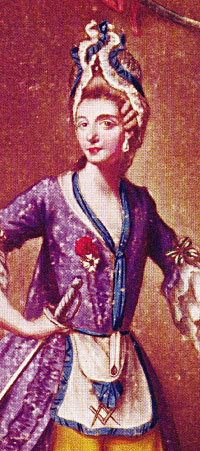
he Chevalier d'Éon (1728-1810) was the most famous transvestite of the eighteenth century. The French diplomat and soldier lived the first half of his life as a man and the second as a
Divine (Harris Glenn
Milstead, 1945-1988) was a versatile character actor, nightclub singer, and
international cult star who generally performed his stage show and movie
roles in drag. He became famous through his appearances in
John Waters'
films.
woman In
Literature,
the gay male cross-dresser and the lesbian cross-dresser are depicted quite
differently.
 Kabuki
is a classic Japanese theatrical form incorporating fantastical
costumes, stylized gestures, music, and dance. Kabuki originally showcased
female and boy prostitutes, but now features all-male casts.
http://www.glbtq.com/arts/variety_vaudeville.html
Ray Bourbon
(1892?-1971) was a legendary drag performer and recording artist who
appeared in silent movies,
vaudeville acts,
Broadway plays, and, from the 1940s through the 1960s, performed across the
United States in a gay nightclub circuit.
Kabuki
is a classic Japanese theatrical form incorporating fantastical
costumes, stylized gestures, music, and dance. Kabuki originally showcased
female and boy prostitutes, but now features all-male casts.
http://www.glbtq.com/arts/variety_vaudeville.html
Ray Bourbon
(1892?-1971) was a legendary drag performer and recording artist who
appeared in silent movies,
vaudeville acts,
Broadway plays, and, from the 1940s through the 1960s, performed across the
United States in a gay nightclub circuit.
Magnus Hirschfeld (1868-1935) was a pioneering German activist and sexologist. A cross-dresser himself, Hirschfeld coined the term "transvestite."
Different men are motivated to Cross-Dress for a variety of reasons including a desire to achieve sexual excitement, to entertain, or to express a feminine sense of self.

Miguel de Molina (1908-1993) reinvented the Spanish flamenco performance, but his open gayness and gender-bending stage persona provoked hostile reactions that plagued his career.
José Peréz Ocaña (1947-1983) was a fixture on the counter-cultural scene in Barcelona in the 1970s. The Spanish drag performer and painter was the subject of a milestone film in Spanish cinema by gay director Ventura Pons.
Vaudeville sensation Julian Eltinge in costume (left) and in street clothes.
Virginia Charles Prince (b. 1913) has been a pioneer in organizing social and support groups for heterosexually-identified male cross-dressers.. Sylvia Rivera (1951-2002) is a legendary veteran of the Stonewall Riots. Rivera is notable for helping to spark the event that ushered in the modern-day Gay Rights Movement.
RuPaul (RuPaul Andre Charles, b. 1960) is a six-foot five-inch tall African-American drag queen who usually performs in a blonde wig. He has given drag a new visibility by infusing it with gentleness and warmth. Craig Russell (1948-1990) was one of the major female impersonators of the 1970s and 1980s and one of the last of the school that actually sang or spoke live in the voices of the ladies he impersonated.
José Sarria (b. 1923?) -- also known as "the Widow Norton" -- is a San Francisco singer, drag performer, and activist who exemplified gay pride before the phrase was invented. As the founder of the International Court System, he presided over the expansion of drag culture into a vast network of charity balls and extravaganzas. The Sisters of Perpetual Indulgence is an organization composed primarily of gay men who appear publicly in drag, dressed as nuns. The Sisters combine radical politics, street theater, and high camp and participate in a host of charity functions and political events.
In Film, transvestism is often reduced to a mere joke, a harmless tease that tacitly reassures us that people can change their clothes but not their sexual identities. Variety and Vaudeville and related theatrical forms featured cross-dressed acts, as well as routines that challenged prevailing gender constructions.
Ed Wood (1924?-1978) was a transvestite film director who died a penniless alcoholic, but posthumously became the center of one of cinema's most enduring cults.